
Culture & Heritage · Ghana Society UK
Few fabrics capture the spirit of Ghana quite like Kente. Its striking colours, intricate designs and beautiful woven textures make it instantly recognisable. Yet behind every carefully woven strip lies a tradition shaped by generations of skill, creativity and cultural pride.
From royal ceremonies in Ghana to weddings, graduations and cultural festivals across the world, Kente continues to connect people with their heritage. It is not simply something to wear on a special occasion. It is a way of expressing identity and honouring the stories of those who came before us.
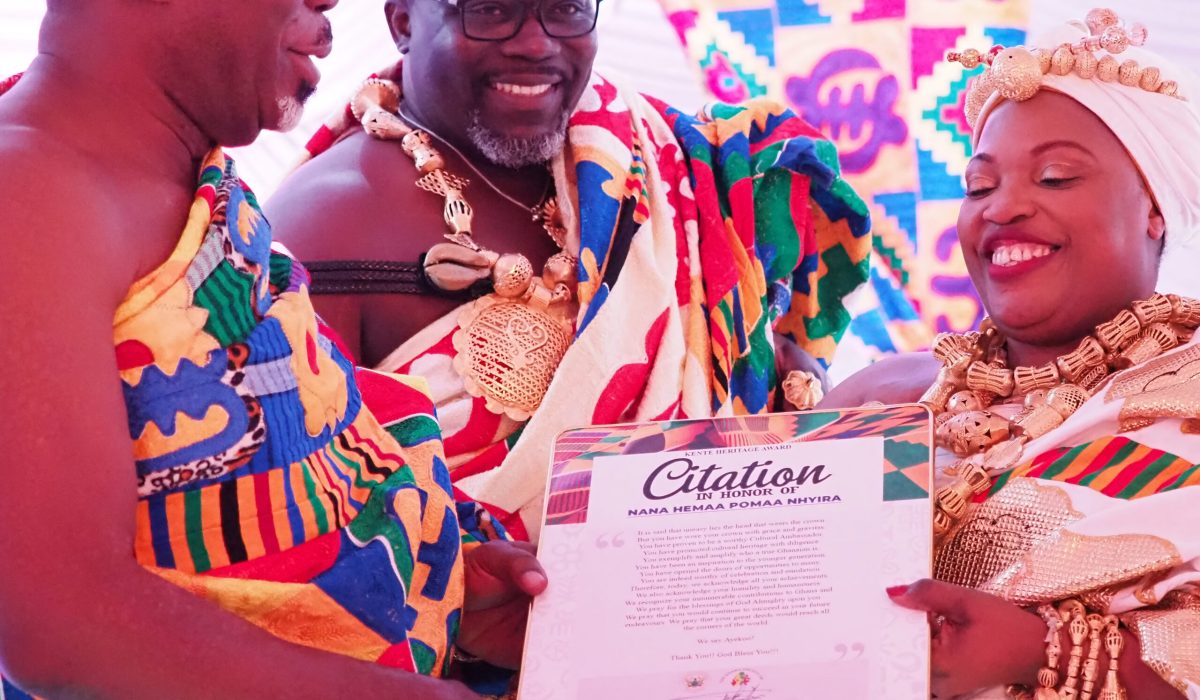
The origins of Kente cloth
Kente is closely associated with the Asante and Ewe peoples of Ghana, whose weaving traditions have developed over centuries. Bonwire and Adanwomase in the Ashanti Region, and Agotime and Kpetoe in the Volta Region, are well-known centres of this craft.
A popular Asante oral tradition tells of two weavers who drew inspiration from watching a spider construct its web. Although the story belongs to oral heritage rather than a documented account of the invention of Kente, it captures the ingenuity and patience at the heart of weaving.
Historically, elaborate Kente textiles were associated with royalty, prestige and important ceremonies. Asante and Ewe weaving have their own distinctive approaches to pattern and design, and both are essential to understanding the richness of Ghana’s textile heritage.
How traditional Kente is made


Traditional Kente is produced on a horizontal loom. Cotton, silk or rayon threads are arranged and interlaced to create long, narrow bands of patterned cloth. These strips are then sewn together to produce a larger textile. The finished cloth can be draped around the body or used in tailored clothing.
Complex patterns demand careful planning and considerable skill. Buying genuine handwoven Kente is one way to recognise the expertise of the artisans who keep this tradition alive. Printed Kente-inspired fabrics can celebrate its visual style, but they are not the same as traditional strip-woven cloth.
The meaning behind the colours and patterns


Kente designs often carry names connected to proverbs, historical events, social values or notable people. One famous example, Adweneasa, is associated with exceptional weaving skill. Another, Fathia Fata Nkrumah, commemorates the marriage of Ghana’s first president and his wife, Fathia.
Colours can also carry symbolic associations. These are examples, rather than fixed meanings that apply to every textile or community:
Royalty and prosperity
Growth and renewal
Sacrifice and struggle
Peace and harmony
Maturity and ancestral strength
Purity and victory
The significance of a particular cloth depends on its design, name, occasion and cultural context. Asking a weaver about a pattern is a wonderful way to discover the story behind it.
From royal courts to modern fashion
Today, Kente is worn far beyond traditional royal settings. It appears at weddings, naming ceremonies, graduations and public celebrations, while contemporary designers incorporate woven panels into dresses, jackets, accessories and other garments.
For many people in the Ghanaian diaspora, wearing Kente offers a visible connection to home. It can also open conversations with younger generations about the communities, values and histories behind the cloth.
In 2024, the craftsmanship of traditional woven Kente was inscribed on UNESCO’s Representative List of the Intangible Cultural Heritage of Humanity. This recognition celebrates the knowledge and skills behind the textile, and underscores the importance of passing them on.
Explore the UNESCO listing →Celebrating Kente with Ghana Society UK
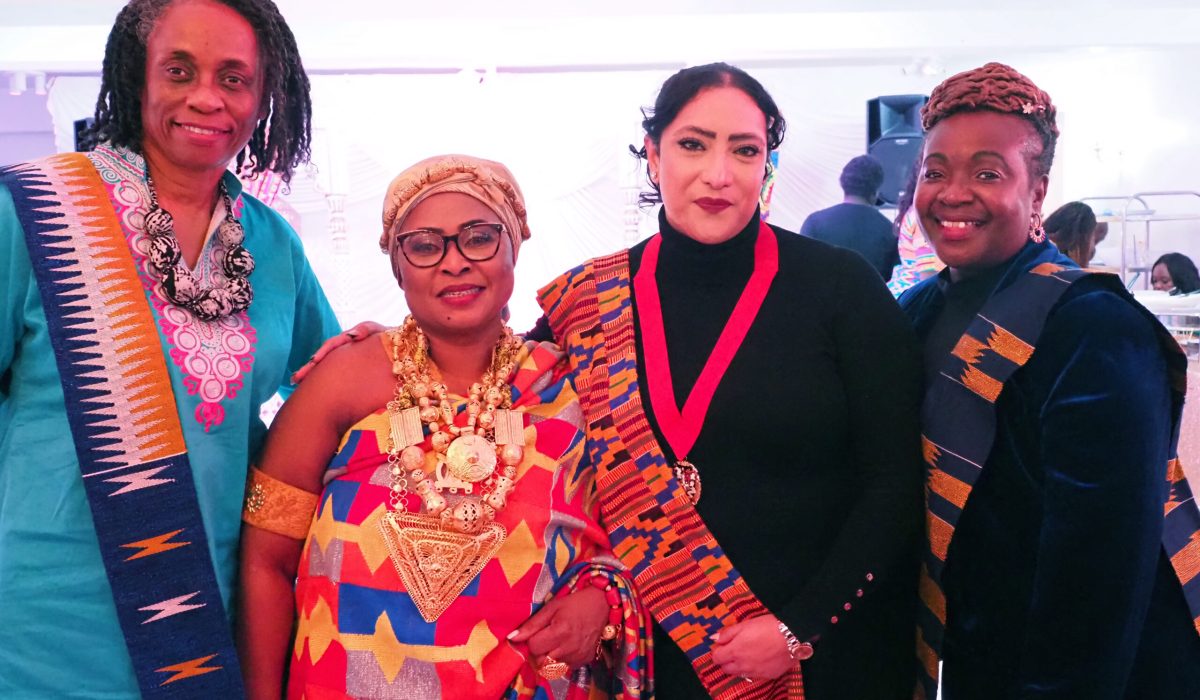
At Ghana Society UK, we believe that cultural heritage is something to experience, share and celebrate. Our Kente Festival provides a space for communities to discover Ghanaian textiles and appreciate the craftsmanship and traditions behind them.
In 2024, our festival exhibition at Hat Works in Luton presented a selection of Kente from Ghana, particularly from Bonwire, alongside other African artefacts. Our event archive also includes the 2023 Kentefest Gala Night, offering a glimpse into the celebrations that bring our community together.
Keeping the tradition alive
Preserving Kente means more than admiring a beautiful fabric. It means valuing the people who weave it, learning about its origins and creating opportunities for future generations to discover its cultural importance. Whether you buy a handwoven cloth, visit an exhibition or share its history with your family, you can help keep this remarkable tradition alive.
Get involved
Celebrate Ghanaian heritage with us
Would you like to learn more about our Kente Festival, attend cultural events, explore a partnership or support our work? We would love to hear from you.
admin@theghanasocietyuk.com
07311 849 995